Մեկ կտոր, որ կարող է վերաձևավորել ամբողջ սենյակը
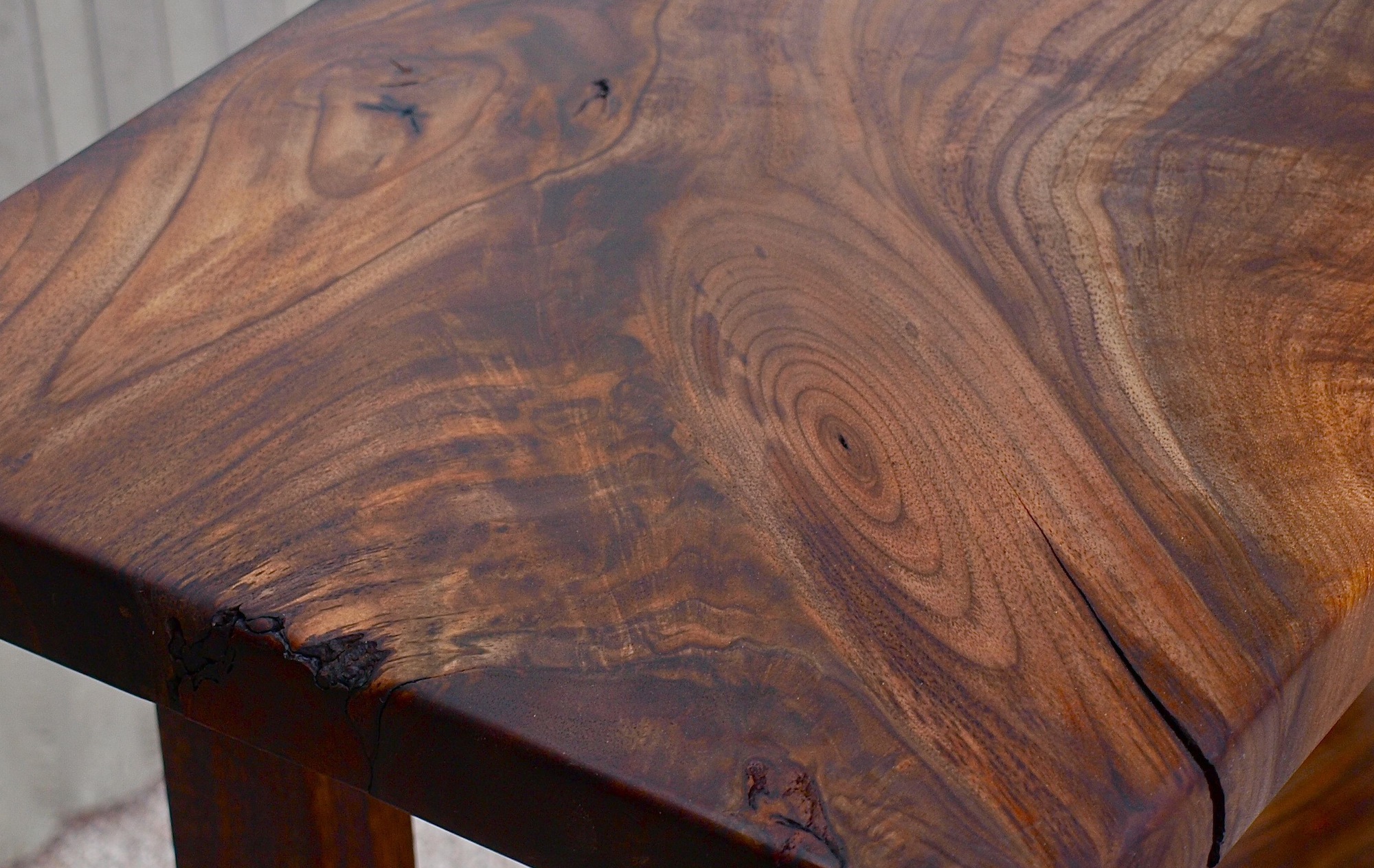
Կահույքը սովորաբար լրացնում է ինտերիերը։ Բրուտալ ընկուզենու սեղանն այլ բան է անում — այն դառնում է սենյակի կենտրոնը, ձայնը, բնավորությունը։ Մնացած ամեն ինչ սկսում է խոսել նրա հետ։
Հենց դա է, ինչ տեղի է ունենում, երբ դասական ինտերիեր է մտնում մի կտոր, որի մեջ պահպանված է ծառի իսկական ուրվագիծը՝ բնական եզրագծով, ծանր, անկեղծ, առանց ձևացման։
Հյուրասենյակում՝ նոր կենտրոն
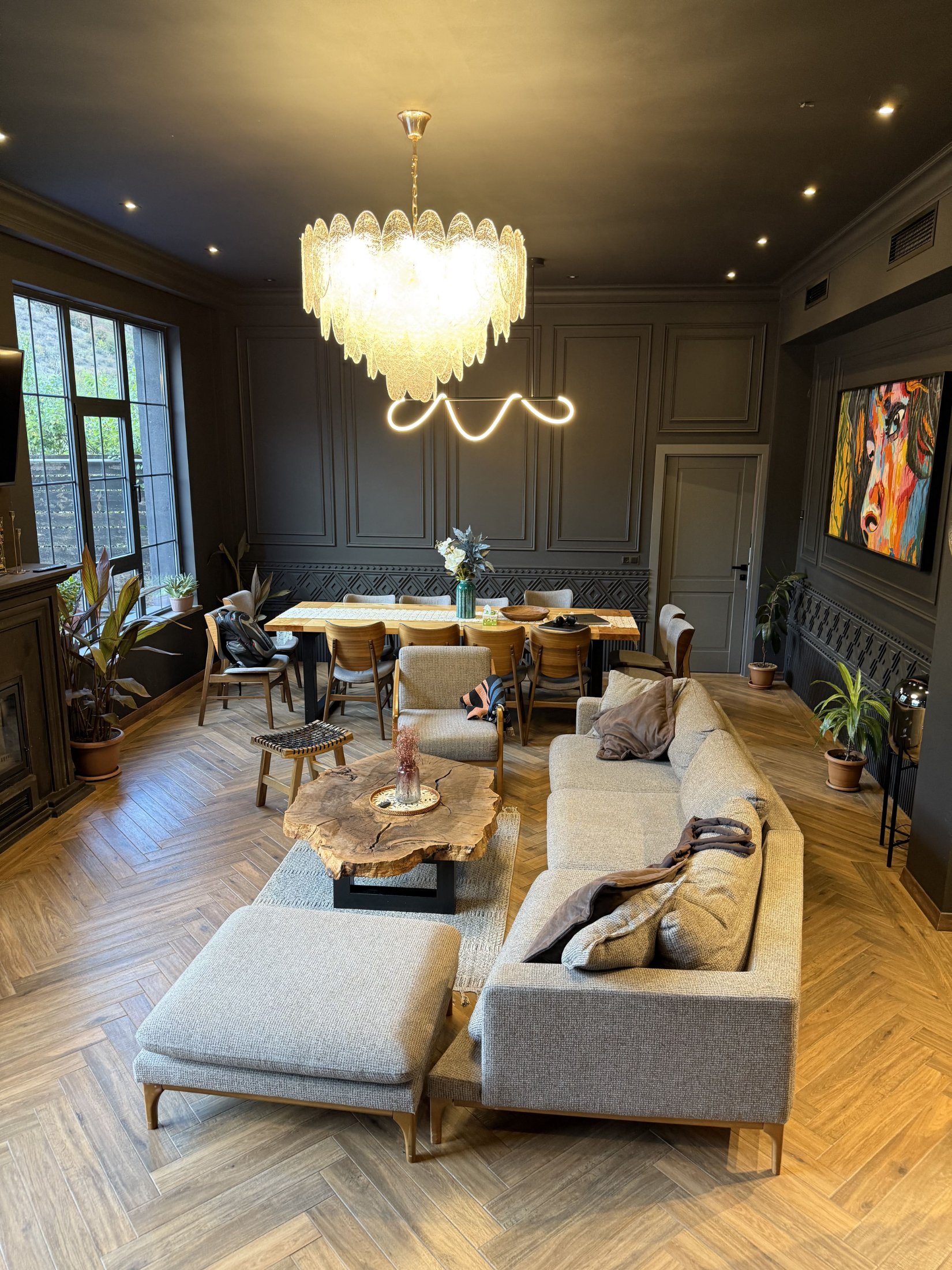
Դասական հյուրասենյակը հաճախ կառուցվում է սիմետրիայի վրա՝ երկու բազկաթոռ, կենտրոնական բազմոց, գորգ, պատի վրա՝ նկար։ Ամեն ինչ իր տեղում է, բայց երբեմն՝ չափից շատ իր տեղում։
Ընկուզենու բրուտալ սեղանը կոտրում է այս հավասարակշռությունը՝ առանց ավերելու։ Նրա բնական եզրագիծը, ալիքավոր գիծը, բնական ճաքերը բերում են այն տարրը, որը դասական ինտերիերին պակասում էր՝ անկանխատեսելիությունը։
Թավշյա բազմոցի, փորագրված շրջանակի մեջ նկարի, և արույրե լուսամփոփի կողքին ընկուզենու սեղանը հնչում է որպես հակառակ ձայն՝ ոչ թե կոնֆլիկտ, այլ զրույց։ Հին և նոր, փափուկ և կոշտ, ձևավորված և բնական։
Ճաշասենյակում՝ սեղանը, որի շուրջ կհավաքվեն
Ճաշասենյակի սեղանը պարզ կահույքի կտոր չէ։ Այն ընտանեկան երեկոների, հյուրընկալության, երկար զրույցների վայրն է։ Հենց դա է, որ ընկուզենին այնքան լավ է հասկանում։
Բրուտալ ընկուզենու սեղանը՝ հաստ սալիկ, սև պողպատի շրջանակ, պահպանված բնական եզրագիծ — ստեղծում է զգացողություն, որ սեղանը միշտ այստեղ է եղել։ Որ այն ավելի հին է, քան տունը։ Որ նա պատմություն ունի։
Դասական ճաշասենյակում, որտեղ կան փորագրված աթոռներ, բյուրեղյա ջահ, թանկ սպասք՝ ընկուզենու սեղանը հանդես է գալիս որպես հիմք։ Նա չի մրցակցում նրբությունների հետ — նա պահում է դրանք։ Ինչպես հին ընտանեկան ալբոմն ապահով պահում է լուսանկարները։
Ինչու է աշխատում դասական ինտերիերի հետ
Շատերը մտածում են, որ բրուտալ կտորը՝ ծանր, անկանոն, հում, պետք է գնա միայն մինիմալիստական կամ ինդուստրիալ տարածքների մեջ։ Իրականում հակառակն է։
Դասական ինտերիերը հարուստ է դետալներով՝ նրբազարդեր, գործվածքներ, ոսկեզօծ շրջանակներ։ Երբ ամեն ինչ «ձևավորված» է, սենյակը կարող է կորցնել իր կենդանի շունչը։ Մեկ բրուտալ կտոր՝ ընկուզենու սեղան իր բնական եզրագծով - վերականգնում է այդ շունչը։
Այն գործում է որպես հակակշիռ։ Փորագրությունների կողքին՝ կոպիտ եզր։ Ոսկեզօծի կողքին՝ մուգ փայտ։ Դասական կարգի կողքին՝ բնության պատահականությունը։
Արդյունքը՝ ինտերիեր, որը զգացվում է մտածված, ոչ թե թանգարանային։
Փոքր փոփոխությունը, որ ամեն ինչ փոխում է
Հնարավոր է, որ չես ուզում փոխել ամբողջ տունը։ Չպետք է։
Մեկ ընկուզենու սեղան՝ կենտրոնը հյուրասենյակում կամ ճաշասենյակում, արդեն բավական է, որ տարածքը հնչի այլ կերպ։ Մյուս կահույքը մնում է իր տեղում, բայց ձեռք է բերում նոր իմաստ — որովհետև հիմա այն կա մի կտորի կողքին, որը խոսում է բարձր ձայնով։
Հենց դա է ընկուզենու բրուտալ սեղանի ուժը։ Այն մեկ որոշում է, որի հետևից չեն գալիս հարյուր այլ որոշումներ։
Դետալներ, որոնք բնավորություն են տալիս ինտերիերին։
How a Brutal Walnut Table Transforms an Interior
One piece that can reshape an entire room
Furniture usually fills an interior. A brutal walnut table does something else — it becomes the center of the room, its voice, its character. Everything else begins to speak to it.
This is what happens when a piece enters a classical interior carrying the tree's true outline — natural edge, heavy, honest, with no pretense.
In the living room — a new center
A classical living room is often built on symmetry: two armchairs, a central sofa, a rug, a painting on the wall. Everything is in its place — but sometimes, too much in its place.
A brutal walnut table breaks this balance without destroying it. Its natural edge, its wavering line, its honest cracks bring in the element a classical interior was missing — the unpredictable.
Next to a velvet sofa, a framed painting, and a brass lampshade, the walnut table sounds like a counter-voice. Not a conflict, but a conversation. Old and new, soft and rough, shaped and natural.
In the dining room — the table they'll gather around
A dining table isn't just a piece of furniture. It's the place of family evenings, of hospitality, of long conversations. This is what walnut understands so well.
A brutal walnut dining table — a thick slab, a black steel frame, a preserved natural edge — creates the feeling that the table has always been there. That it's older than the house. That it carries a story.
In a classical dining room with carved chairs, a crystal chandelier, fine porcelain — the walnut table becomes the foundation. It doesn't compete with the details. It holds them. The way an old family album safely keeps its photographs.
Why it works with classical interiors
Many assume a brutal piece — heavy, irregular, raw — belongs only in minimal or industrial spaces. The opposite is true.
A classical interior is rich with detail: ornament, fabric, gilded frames. When everything is "designed," a room can lose its living breath. A single brutal piece — a walnut table with its natural edge — restores that breath.
It works as a counterweight. Beside carving, a rough edge. Beside gilding, dark wood. Beside classical order, the randomness of nature.
The result: an interior that feels intentional, not museum-like. Lived in, rather than staged.
The small change that changes everything
You may not want to renovate the entire house. You don't have to.
One walnut table — at the center of a living room or a dining room — is enough for the space to sound different. The rest of the furniture stays where it is, but it gains new meaning, because now it stands beside a piece that speaks with a loud voice.
This is the power of a brutal walnut table. It's one decision that doesn't require a hundred others to follow.
Details that give character to interiors.